
menu

close
Improve Decision Making with Enterprise Resource Planning
Explore More
south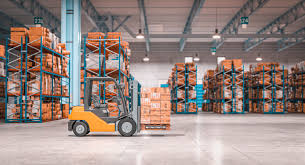
06May
ERP Warehouse Management for Contractors: Why It's No Longer Optional
Contracting companies deal with dozens of material categories every single day, spread across warehouses, job sites, and supply chains. One gap in tracking those materials means financial losses and project delays that nobody sees coming. ERP warehouse management tackles this problem at its root by linking every item movement to a specific project and giving management real-time visibility into stock levels at every storage point.
What Is ERP in Warehouse Management for Contractors?
In any contracting operation, raw materials go through a long chain of movement: from the supplier to the main warehouse, from the warehouse to the job site, and sometimes from one site to another as the project evolves. Steel, cement, sand, timber, electrical fittings, dozens of items moving daily, each with a different quantity, price, and destination.
So what is ERP in warehouse management when applied to contracting? It is a digital system that records this entire movement cycle. It logs incoming quantities the moment they arrive, records every dispatch order with the project name and receiving site, and updates balances automatically with each transaction. If a specific item drops below a minimum threshold you have set, you get an alert before work stops.
On a practical level, this ERP warehouse management system lets you check any item balance in any warehouse within seconds, calculate the exact material cost per project, and make purchasing decisions based on real numbers rather than rough estimates.
The Real Problems Without Warehouse Management Software
Most small and mid-sized contracting firms still manage stock through Excel sheets or paper logs. This approach might seem enough at first, but it quickly turns into a source of hidden losses.
Uncalculated financial losses top the list. Without a centralized record reflecting actual inventory status, companies repeatedly buy materials already sitting in another warehouse, or large quantities get damaged due to poor storage, discovered only during periodic counts. Industry data suggests that contracting firms lacking a digital system lose between 5% and 15% of their annual materials budget to waste and duplicate purchasing.
Project execution delays follow directly. When steel or cement runs out on site without early warning, work halts for days while resupply is arranged. This downtime exposes the company to contractual penalties and erodes client confidence.
Zero accountability makes things worse. Who withdrew that quantity? For which project? When? Without a system documenting every movement by name, date, and destination, holding anyone accountable becomes nearly impossible.
These issues multiply for companies managing several warehouses and job sites at once. A surplus of one item might sit in one location while another site urgently needs it, and nobody knows because there is no central link between storage points.
Why It Matters: The Business Case
Raw materials represent between 50% and 70% of the total cost of any contracting project. Saving just 5% on materials in a ten-million-dollar project means half a million dollars going straight back to net profit.
The value of ERP warehouse management goes beyond direct finances. A solid system reveals how many tons of steel the company consumed last quarter, which supplier offers the best price with the lowest damage rate, and what the average cement consumption per square meter looks like across projects. The right warehouse management software delivers these answers from actual operational data, not guesswork.
There is a competitive angle many overlook. The difference between ERP and data warehouse thinking shows clearly when bidding on new projects. A company with accurate material cost data from past projects can price bids realistically, winning tenders with confidence. A company pricing by estimation loses either on the bid or during execution.
This also extends to compliance. Tight control over material movements simplifies annual audits and ensures inventory accounts align with accepted accounting standards, critical for firms working with government entities or financing institutions.
Key Features of Inventory Software for Contractors
Not every inventory program fits the contracting sector. This industry has clear specificities: changing job sites, tight timelines, and materials ranging from consumables to capital assets. Here are the key features of inventory software for contractors that separate a basic tool from a powerful one:
Multi-site and multi-warehouse tracking displays balances for each storage point separately and allows documented transfer orders between locations. Project-linked dispatch ties every outgoing quantity to a specific project and dispatch order, letting management compare actual versus budgeted material costs. Proactive alerts notify you when items reach reorder points or when perishable materials approach expiration dates.
Advanced analytical reports cover monthly consumption rates, ABC classification of materials by cost share, and planned-versus-actual comparisons per project. These reports reveal waste patterns and support accurate future pricing.
Integration with accounting and procurement is where the system proves its full value. Dispatched materials reflect automatically in project accounts, and reorder triggers generate purchase requests that enter the approval cycle directly. Add barcode and QR code support plus mobile apps for field transactions, and you have a complete ERP warehouse management system built for contractors.
How to Choose ERP Warehouse Management Software for Your Trading Business?
The variety of programs available makes selection harder than it looks. A wrong choice means months of wasted implementation and a budget that never comes back.
Define your needs precisely. How many warehouses and simultaneous projects do you manage? Do you need to track heavy equipment alongside raw materials? These answers set the baseline specifications. Understanding how to choose ERP warehouse management software for your trading business starts with this clarity.
Verify customization capability. An interior finishing company needs different data fields and reports than a heavy construction firm. Look for a system that lets you modify fields, user permissions, and approval workflows to match your operation.
Test usability with your actual team. The warehouse keeper and site controller are the daily users. Request a trial and have them test real scenarios. A clear interface reduces training time and speeds adoption.
Evaluate support and ROI. Make sure a support team responds within hours, not days. Then compare the annual cost against expected savings from reduced waste, better purchasing efficiency, and faster counts. In most cases, the system covers its cost within 6 to 12 months. The difference between ERP and data warehouse approaches becomes clear when you see how an integrated platform pays for itself through operational savings, not just data storage.
Your Company's Next Step Starts Here
Getting inventory under control is no longer a tech luxury; it is the decisive factor separating a contracting company that grows steadily from one bleeding profits through invisible waste. The decision starts with choosing a system that understands this sector and integrates with the entire work cycle.
ValuePlus ERP offers a system designed for the contracting sector, covering warehouse management, procurement, accounting, and project management on a single platform, with dedicated technical support.
Reach out to the ValuePlus ERP team today for a free demo, and discover how the right system can transform your company's numbers for the better.
Read more arrow_right_alt
06May
Manufacturing ERP Software | The Complete Solution for Boosting Productivity in Saudi Arabia
Saudi Arabia is undergoing an unprecedented economic transformation, with Vision 2030 placing the manufacturing sector at the heart of its strategy to diversify national revenue streams. As industrial cities across Riyadh, Jeddah, Dammam, and Jubail continue to expand, Saudi factories are under growing pressure to adopt management tools that match the scale of this ambition. This is precisely where manufacturing ERP software steps in, not as a luxury, but as an integrated digital partner that turns strategic goals into measurable results on the ground.
What Is Manufacturing ERP and Why Does It Matter?
When we talk about manufacturing ERP in the Saudi context, we are talking about an operational necessity, not a technological trend. A factory in the Kingdom today juggles multiple challenges simultaneously: a diverse, multinational workforce, Wage Protection System (WPS) compliance, ZATCA tax requirements, and intensifying competition from imported goods.
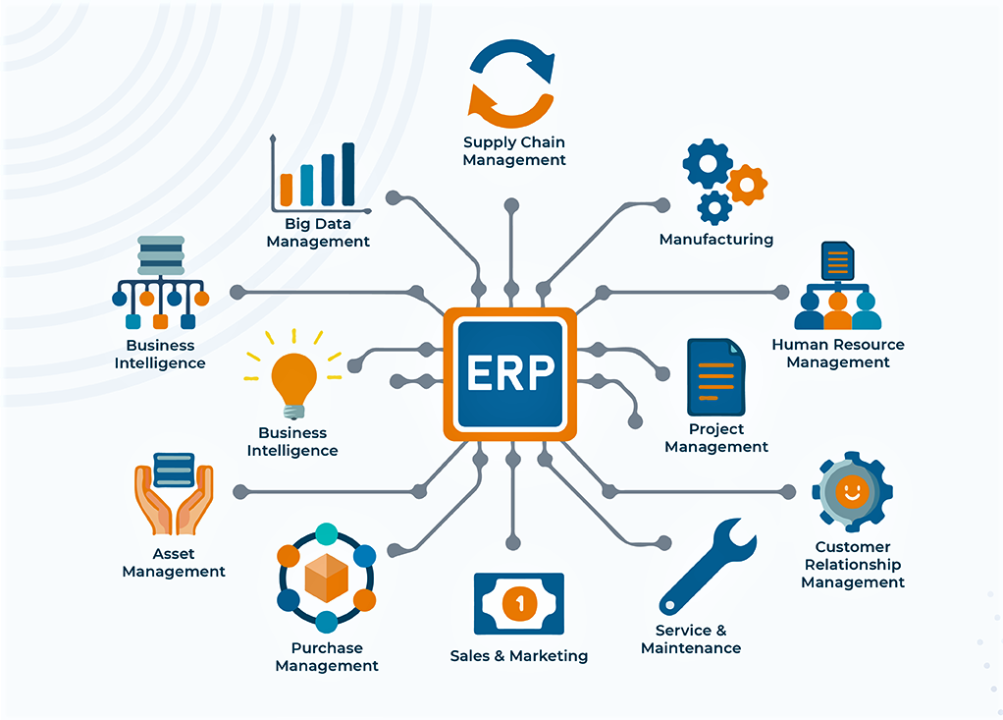
Manufacturing ERP software addresses all of these challenges through a unified platform that connects every department within the factory — from the production floor to the warehouse, from procurement to human resources — so that information flows seamlessly across the entire organization, eliminating the data silos and manual entry errors that silently cost factories time and money every single day.
How ERP Software Solves Manufacturing Problems?
Understanding how ERP software solves manufacturing problems is the first step toward making an informed investment decision. Here is what the system delivers in practice:
- Intelligent Production Planning: Schedule production based on actual available capacity, significantly reducing unplanned downtime and boosting efficiency across continuous operations.
- Real-Time Inventory Control: Manufacturing ERP software tracks raw materials and finished goods movement in real time, sending automatic alerts when stock approaches reorder levels — a critical feature given the volatility of global supply chains.
- Workforce Management and Local Compliance: The system fully supports Wage Protection System (WPS) requirements and Ministry of Human Resources regulations, protecting the factory from costly violations.
- Quality Control and Production Tracking: Quality data is recorded at every production stage, enabling early identification of any defect before it escalates into a larger, more expensive problem.
- Detailed Cost Analysis: The system breaks down the cost of every produced unit with precision — including labor, energy, and materials — giving management a clear and accurate picture of the profit margin for each product line.
Together, these capabilities make manufacturing ERP software a strategic investment with a measurable return, rather than just another operational expense.
Which ERP Is Best for Manufacturing in Saudi Arabia?
This is one of the most frequently asked questions among factory owners and operations managers, and the honest answer is: which ERP is best for manufacturing depends less on brand name and more on how well the system fits your specific operational environment. In Saudi Arabia, that environment comes with unique regulatory and cultural requirements that not every global solution is equipped to handle.
The ideal ERP system for manufacturing in the Saudi market is one that combines operational depth with local compliance readiness. Look for a system that offers:
- Full Arabic language support
- Native integration with ZATCA's e-invoicing platform (Fatoorah)
- Support for VAT reporting and tax declarations
- Compatibility with WPS payroll requirements
- A local or regionally based support team
This is where ValuePlus ERP stands out as a purpose-built solution designed with Saudi Arabia's business environment in mind, offering all of the above within a single, scalable platform.
ERP Software for Small Manufacturing Business: Is It the Right Fit?
A common misconception is that ERP software for small manufacturing business owners is out of reach; either too complex, too expensive, or designed only for large enterprises. The reality is quite the opposite. Modern ERP solutions for manufacturing are built to scale, meaning a small factory can start with the core modules it needs today and expand the system as the business grows.
For small and mid-sized manufacturers in Saudi Arabia, adopting manufacturing ERP software early is actually a competitive advantage. It establishes solid operational foundations from the outset, prevents the accumulation of inefficiencies that become harder to fix later, and positions the business to meet regulatory requirements, such as e-invoicing and VAT compliance, without the last-minute scrambles that often accompany rapid growth.
ERP Software Manufacturing Solutions: Integration with ZATCA and the E-Invoicing System
Since the rollout of Phase 2 of Saudi Arabia's e-invoicing mandate, ERP software manufacturing solutions that integrate directly with ZATCA's Fatoorah platform have moved from a desirable feature to a legal requirement. Every factory issuing invoices in the Kingdom must now ensure that its systems are fully compliant with the approved technical specifications.
Value ERP's manufacturing ERP software provides a direct, secure connection to the Fatoorah platform, automatically generating invoices in the required format and transmitting them instantly upon issuance, with no manual intervention needed. The system also simplifies VAT return preparation and produces the financial reports required by regulatory authorities at the click of a button. This level of integration eliminates a significant administrative burden from the finance team and shields the factory from penalties arising from delays or compliance errors.
Manufacturing ERP KSA: Choosing the Right System for the Saudi Market
The Saudi manufacturing market has specific characteristics that distinguish it from other regional markets, and manufacturing ERP KSA solutions must account for these distinctions. When evaluating your options, prioritize the following criteria:
- Does the system fully support VAT and ZATCA e-invoicing requirements?
- Is there seamless integration with the Fatoorah platform?
- Does it support the Wage Protection System (WPS)?
- Is there a local technical support team available in Saudi Arabia?
- Can the system scale as the factory grows in size and complexity?
- Does it offer full Arabic interface support for operational teams?
A system that checks all these boxes is not just an ERP; it is a long-term operational partner built for the Saudi market.
Start Your Journey Toward a Smarter Factory
In a rapidly evolving business landscape, relying on traditional methods is no longer a viable option for those who want to stay competitive. An ERP system for manufacturing is not a luxury; it is a strategic tool that empowers you to run your factory with true efficiency, full visibility, and complete regulatory compliance.
If you're ready to take your operations to the next level, we invite you to explore and discover the real impact it can have on your day-to-day performance.
Book your free demo today, because the right decision now is what shapes your success tomorrow.
FAQs:
Does every type of factory need an ERP system?
In most cases, yes. Any factory that deals with raw materials and production processes can benefit from an ERP system. The difference lies in the level of customization required, which varies depending on the industry.
How can an ERP system be successfully implemented in a manufacturing environment?
Successful ERP implementation starts well before deployment. Begin by thoroughly documenting current processes, then select the right system and provide proper team training. Strong leadership involvement is essential for a smooth and effective transition.
How do factories benefit from ERP in improving productivity?
ERP systems help reduce waste, optimize production efficiency, and provide accurate, real-time insights that enable faster and more informed decision-making.
Read more arrow_right_alt
29Mar
Saudi Arabia Rolls Out the Future Factories Program Initiative
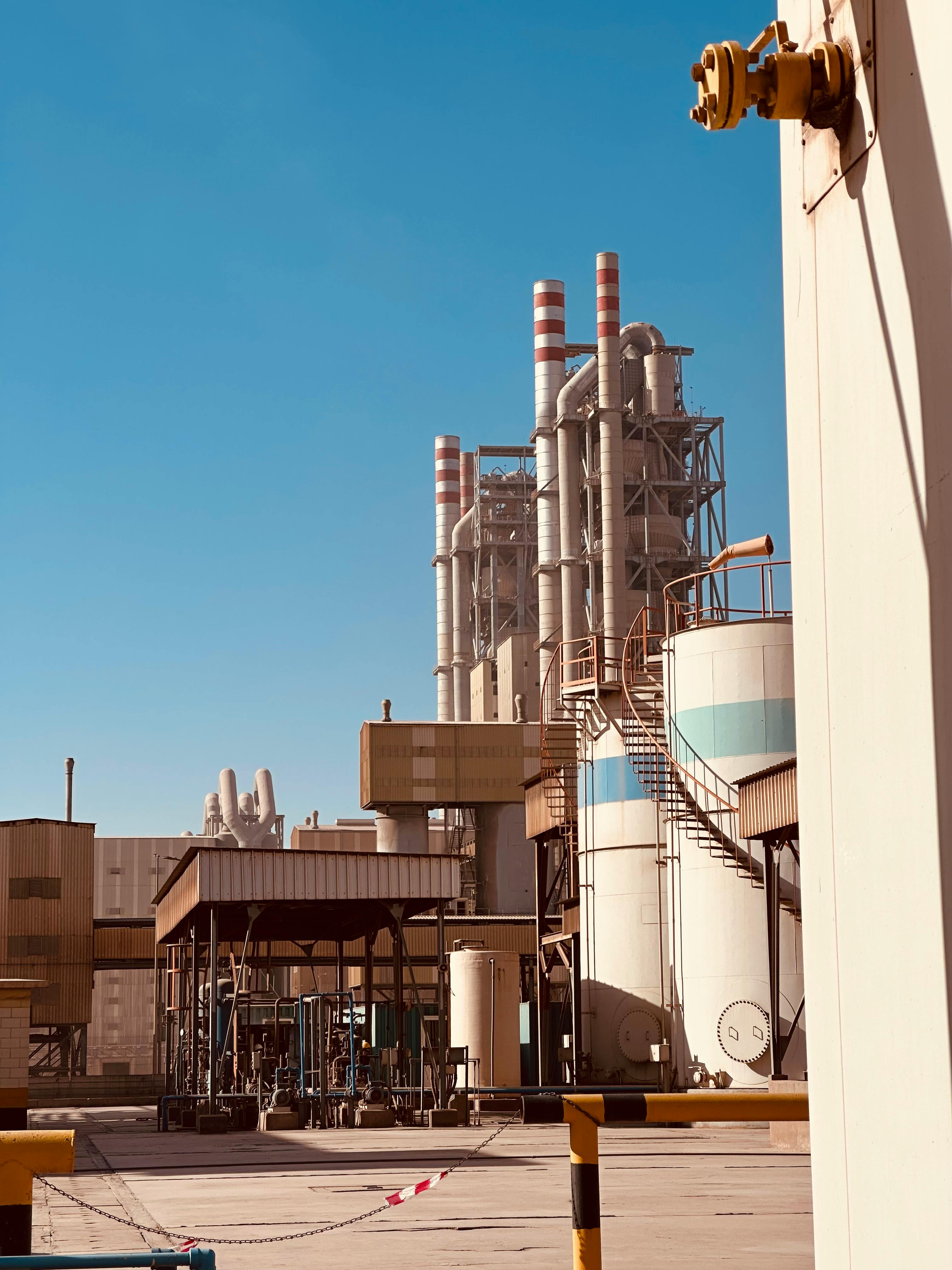
The industrial development in Saudi Arabia is rapid, and factories must adapt to remain competitive and sustainable. The increase in operational expenses, inefficiency in production, and quality control problems have hindered industrial growth. The Kingdom introduced the Future Factories Program Initiative as a flagship national program to convert traditional manufacturing into intelligent and future-oriented industrial operations.
With the support of the government, this program gives businesses a clear way to start using digital technology on the factory floor. The technology, which has already been tried, enhances the performance of factories, communication, and decision-making based on hard data. All of these things are not just nice to have anymore. Any manufacturer who desires to get bigger in such a saturated market must use them.
What are the Factories of the Future Program?
The Future Factories Program Initiative was initiated by the Kingdom of Saudi Arabia as one of the Saudi Vision 2030 projects. The program seeks to help Saudi factories adopt the Fourth Industrial Revolution (Industry 4.0) technologies, improve their operational efficiency, and boost their competitiveness in both the local and international markets.
The program provides more than just money. The program commences with a systematic review of the level of operation and digital maturity of each factory, assesses actual business needs, and provides financial subsidies for digital solution implementation.
This is the initial and the most important step along this Basic Digital Transformation Solutions Track.
Goals of the Program
The program has several basic objectives that are:
- Improving Production and Operational Efficiency: Digital transformation facilitates more efficient use of materials, power, and time utilized by manufacturers. They can maximize the efficiency of their machines and smooth out the movement of products in their factories, which will give them more profit.
- Reducing Costs and Enhancing Quality: Automated monitoring and digital tracking can identify production issues early on. This can lead to the production of fewer defective products, reduced waste of raw material, and lower the overall production cost.
- Strengthening Competitiveness: Digitally enabled factories can produce world-class products at competitive costs, allowing them to expand their share of the Saudi market and access export opportunities across the Middle East and beyond.
- Driving Innovation and Job Creation: Digital transformation requires new technical skills, creating high-quality jobs in advanced manufacturing and industrial technology. It also empowers factory teams to innovate in products and processes, respond more effectively to supply chain disruptions, and operate more sustainably with reduced energy and resource consumption.
The Driving Technologies of the Factories of the Future Include
The Basic Digital Transformation Solutions Track focuses on core technologies that deliver immediate and tangible value, including:
- Enterprise Resource Planning (ERP) systems
- Customer Relationship Management (CRM) systems
- Production planning and scheduling systems
- Manufacturing Execution Systems (MES) and Manufacturing Operations Management (MOM)
- SCADA systems and industrial data historians
- Warehouse Management Systems (WMS) and material handling solutions
- Industrial Internet of Things (IIoT) sensors and software
These solutions provide real-time visibility into factory operations, enable accurate performance tracking, and support faster, more informed decision-making.
Factories of the Future: ERP Integration
ERP systems play a central role in the factories of the future. By integrating production planning, inventory management, procurement, quality control, and financial data into a single platform, ERP solutions eliminate data silos and enable full operational transparency.
When combined with shop-floor systems such as MES and IoT sensors, ERP platforms allow manufacturers to connect strategic planning with real-time execution, transforming raw operational data into actionable business insights.
Advantages of the Factories of the Future Program
The true value of the program lies in its real-world impact inside factories:
- Practical, government-funded digital transformation
- Financial support covering up to 80% of implementation costs, capped at SAR 300,000
- Faster return on investment through proven, essential technologies
- Reduced implementation risk and lower capital burden
- A strong digital foundation that simplifies future advanced automation initiatives
Rather than adopting technology for its own sake, factories gain tools that directly improve performance, resilience, and scalability.
Targeted Beneficiaries
The Future Factories Program Initiative is designed for:
- Saudi industrial facilities registered with the Ministry of Industry and Mineral Resources
- Operational and active factories (not projects still under construction)
- Small and medium-sized manufacturing enterprises
- Factories with a genuine commitment to digital transformation
- Facilities where basic digital solutions can deliver rapid, measurable impact
In short, the initiative targets working Saudi factories that want to transition from traditional operations to smart manufacturing but may be constrained by cost or technical expertise.
Program Outcomes
Participation in the Basic Digital Transformation Solutions Track delivers concrete and sustainable outcomes. The initiative aims to enable approximately 4,000 factories to adopt advanced production technologies, automation, and Industry 4.0 applications, significantly enhancing their readiness to compete at both regional and global levels.
Beyond technology adoption, the program promotes global best practices adapted to local industrial realities, develops skilled national talent, and strengthens the long-term sustainability of Saudi Arabia’s industrial ecosystem.
Participation Requirements
To qualify for the program, factories must meet the following criteria:
- Submit the application through the Ministry’s official platform, either directly or through an authorized representative
- Secure a competitive loan from the Fund prior to applying
- Be an existing, operating, and productive factory, rather than a project still in the establishment phase
- Hold all necessary regulatory licenses issued by the relevant authorities
- Apply commercially proven technologies within the areas of automation, digitalization, or energy efficiency
- Show that the project delivers real economic value and can be practically implemented
- Provide a feasibility study that outlines the full project scope, the proposed solutions, and the expected impact on operations and productivity
- Complete the project within the approved timeframe of the initiative
Final Thoughts
Today, factory success depends on efficiency, agility, and the ability to make informed decisions. As industrial digital transformation accelerates, having a system that organizes operations and provides clear visibility is no longer optional.
Value Plus ERP is designed to support this journey, from production planning to execution and delivery, helping manufacturers reduce waste, improve efficiency, and increase profitability through a practical, step-by-step transformation.
If you are looking for a solution that understands real industrial operations, this is where the journey begins!
FAQs:
How can factories join the Future Factories Program Initiative?
Factories can apply through the Ministry’s official digital platform. The process includes registration, eligibility assessment, a digital diagnostic evaluation, and approval. Once approved, an implementation plan is developed and executed under program supervision.
What are the support conditions for factories?
The factory must be operational, fully licensed, industrial in nature, and classified as a small or medium enterprise. The proposed project must fall within basic digital transformation and involve technologies not previously implemented.
What solutions are covered under the program track?
The program covers essential digital systems, including industrial ERP solutions, SCADA systems, Quality Management Systems (QMS), Advanced Planning and Scheduling (APS), and Computerized Maintenance Management Systems (CMMS). Solutions are selected based on each factory’s specific needs.
Sources:
- Future Factories Initiative - The Main Digitization Track- Ministry of Industry & Mineral Resources
- Future Factories Program Initiative- Ministry of Industry & Mineral Resources
- Joining the Factories of the Future Program- National Portal









Copyright © 2024 Modern Speed.