The Manufacturing Journey with ValuePlus ERP: Step by Step Towards Efficiency and Productivity
addValue Plus ERP offers an integrated digital path for product lifecycle management, ensuring efficiency and control at every stage:
1. Production and Requirements Planning
• Material Requirements Planning (MRP) module:
o Determine material requirements: The system analyzes sales orders and forecasts to determine the exact quantities of raw materials and components required for production.
o Production Scheduling: Creates detailed production schedules, taking into account production line capacity and resource availability, to ensure smooth operations.
o Routing: Define the sequential steps for producing each product and identify the required work centers.
• Production Order Management module:
o Create production orders: Convert production plans into executable work orders, specifying quantities, dates, and specifications.
o Track order status: Monitor the progress of each production order in real time, from the beginning of assembly to the final product.
2. Resource Management and Supply Chain for Factories
• Inventory and Procurement Management Module:
o Optimize inventory levels: Manage inventory for raw materials, work-in-process (WIP), and finished products to reduce storage costs and avoid shortages or surpluses.
o Supplier Management: Record supplier data, evaluate their performance, and effectively manage purchase orders for raw materials and components.
o Track inventory movement: Accurately monitor the entry and exit of materials and products from warehouses.
• Human Resources and Payroll Management Module:
o Labor Allocation: Manage and allocate skilled labor to different production lines and work centers.
o Work Hour Tracking: Monitor the working hours of employees and workers in production departments.
o Payroll Management: Accurately calculate salaries, wages, allowances, and benefits for factory workers.
• Equipment and Maintenance Management Module:
o Track production line and equipment utilization: Monitor the efficient use of machinery and production equipment.
o Preventive Maintenance Scheduling: Plan and schedule periodic maintenance for machinery to reduce downtime and improve equipment life.
o Operating Cost Calculation: Accurately determining equipment operating and maintenance costs, which contributes to product cost analysis.
3. Quality Control and Process Control
• Quality Management Module:
o Quality Planning: Determining the required inspection points and tests at each stage of production.
o Inspection Results Recording: Documenting the results of quality inspections of raw materials, work-in-progress, and finished products.
o Defective Product Management: Tracking defective products, analyzing their causes, and managing returns or repairs.
o Standards Compliance: Ensuring products conform to local and international industry quality standards (such as ISO).
• Cost Tracking and Standard Costing Module:
o Product Cost Calculation: Compiling direct costs (materials, labor) and indirect costs (manufacturing overheads) to determine the actual cost per unit produced.
o Comparison to Standard Costing: Comparing actual costs to standard (planned) costs to identify deviations and analyze their causes.
4. Sales and Distribution Management
• Sales Management Module:
o Sales Order Management: Recording sales orders, tracking shipment status, and managing customer invoices.
o Customer Relationship Management (CRM): Tracking customers, their purchasing history, and preferences to improve customer satisfaction and increase sales.
• Shipping and Distribution Management Module:
o Shipment Scheduling: Planning and scheduling the delivery of finished products to customers.
o Delivery Tracking: Monitoring the status of shipments until they reach the customer.
o Document Management: Creating shipping documents, bills of lading, and final invoices.
5. Comprehensive and Analytical Reports
• Production Performance Reports:
o Production Line Efficiency Reports: Analyzing machine and worker productivity.
o Material Consumption Reports: Tracking raw material consumption and identifying any waste.
o Production Cost Reports: A detailed analysis of the cost of each product or production batch.
• Financial and Accounting Reports:
o Income Statements and Balance Sheets: At the company level and production departments.
o Cash Flow Reports: To track the movement of funds related to industrial operations.
o Profitability Analysis Reports: Determine the profitability of different products or production lines.
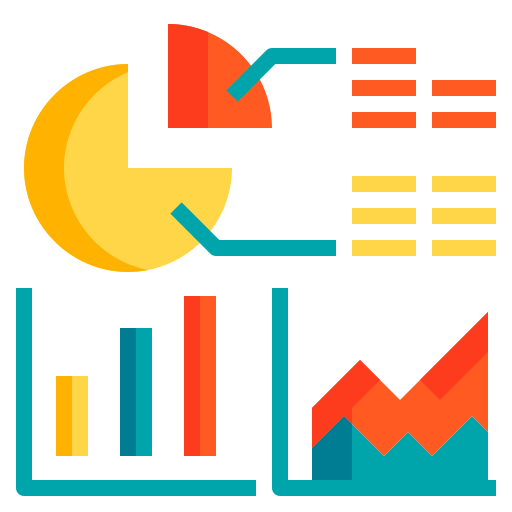
• Dashboards: Providing interactive dashboards that display key performance indicators (KPIs) for industrial and financial operations in a visual and easy-to-understand format, enabling senior management to make quick decisions based on accurate data.